
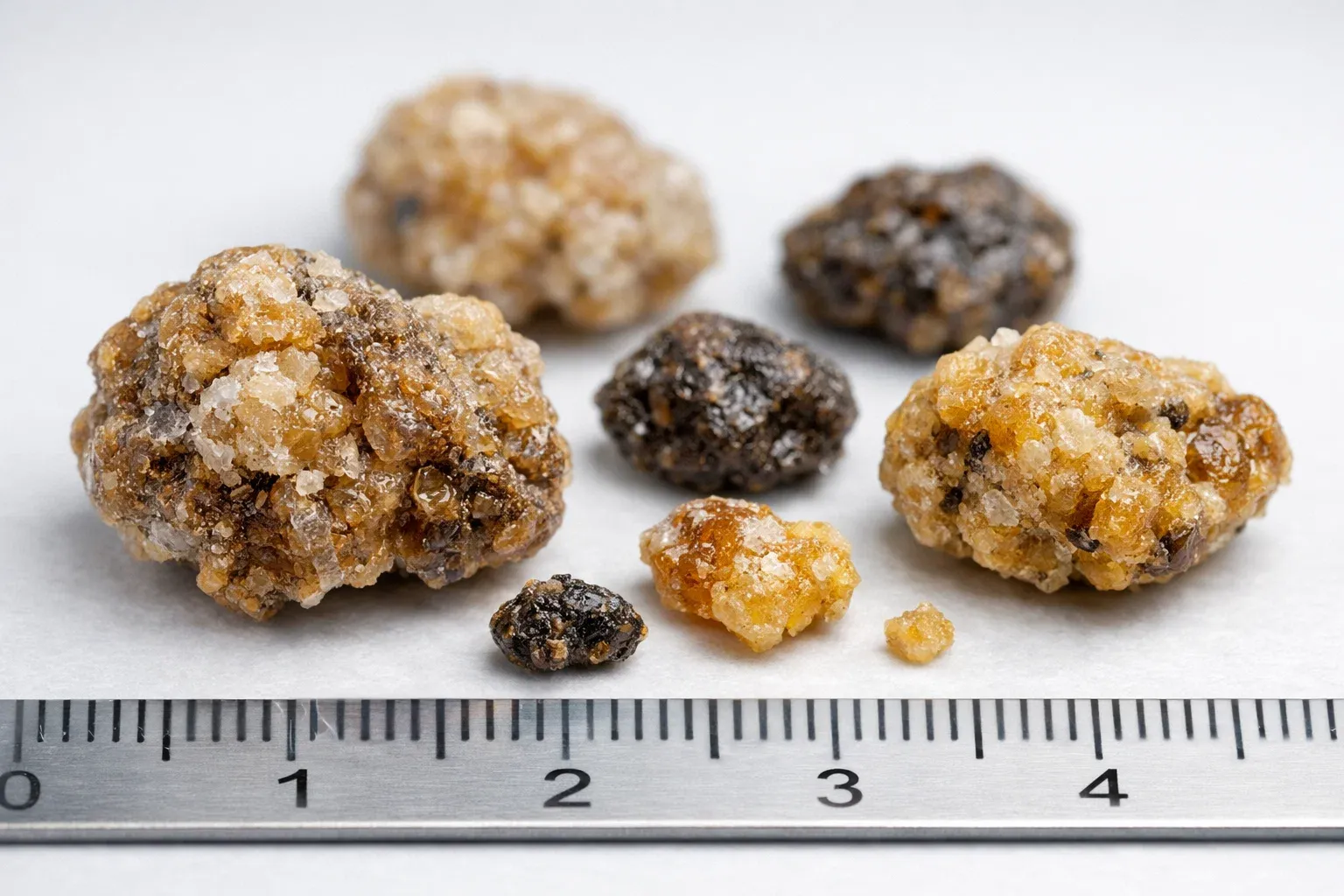
Many people wonder what kidney stones feel like and how to recognize the symptoms. Kidney stones can cause sudden and intense pain that may be difficult to ignore.
Kidney stones are hard mineral deposits that form inside the kidneys. When these stones move through the urinary tract, they can cause sharp pain and other symptoms. Understanding the signs of kidney stones can help people know when to seek medical care.
What Are Kidney Stones?
Kidney stones are small, hard crystals that develop when certain minerals build up in the urine. These minerals can stick together and form stones inside the kidneys.
Some kidney stones are very small and may pass through the urinary tract without causing major symptoms. Larger stones may block the flow of urine and lead to pain or discomfort.
What Do Kidney Stones Feel Like?
Kidney stone pain can vary from person to person. Many people describe the pain as sudden, sharp, and very intense.
Common descriptions include:
• Severe pain in the side or back below the ribs
• Pain that spreads to the lower abdomen or groin
• Pain that comes in waves and changes in intensity
• A deep aching or cramping sensation
Kidney stone pain often begins suddenly and may become stronger as the stone moves through the urinary tract.
Where Is Kidney Stone Pain Located?
Kidney stone pain usually starts in the side or back of the body. The exact location may change as the stone moves through the urinary system.
People may feel kidney stone pain in these areas:
• Upper back or side below the ribs
• Lower abdomen
• Groin area
• One side of the body
The pain may shift locations as the stone travels through the ureter toward the bladder.
Common Symptoms of Kidney Stones
Kidney stones may cause several symptoms in addition to pain.
Common symptoms include:
• Severe pain in the back or side
• Pain during urination
• Blood in the urine
• Nausea or vomiting
• Frequent urge to urinate
• Cloudy or strong smelling urine
• Difficulty passing urine
These symptoms can occur suddenly and may change as the stone moves through the urinary tract.
Why Kidney Stone Pain Can Be So Severe
Kidney stone pain can be very intense because the stone may block the flow of urine. When urine cannot pass easily, pressure builds in the urinary tract.
This pressure can stretch the kidney or ureter, which leads to sharp pain and discomfort. The body may also react with nausea, sweating, or restlessness during severe episodes.
What Causes Kidney Stones?
Kidney stones develop when minerals in the urine become highly concentrated. When there is not enough fluid to dilute these minerals, crystals can form.
Common risk factors include:
• Dehydration
• Diets high in salt or certain minerals
• Family history of kidney stones
• Certain medical conditions
• Urinary tract infections
Drinking enough fluids can help reduce the risk of stone formation for many people.
When Should You See a Doctor for Kidney Stone Symptoms?
Kidney stone symptoms should be evaluated by a healthcare professional, especially when pain is severe or persistent.
Medical care may be needed if you experience:
• Severe pain that does not improve
• Fever or chills
• Blood in the urine
• Persistent nausea or vomiting
• Difficulty passing urine
Healthcare providers can perform tests to confirm the presence of a kidney stone and determine the appropriate care.
How to Reduce the Risk of Kidney Stones
Healthy habits can help lower the risk of kidney stones.
Helpful steps include:
• Drinking plenty of water each day
• Reducing excess salt in the diet
• Maintaining a balanced diet
• Following medical guidance for existing health conditions
These steps support kidney health and may help prevent future stones.
Understanding Kidney Stone Symptoms
Kidney stones can cause sudden and severe pain, often in the side or back below the ribs. The pain may move toward the abdomen or groin as the stone travels through the urinary tract.
Recognizing the symptoms of kidney stones can help people seek medical care when needed. If symptoms become severe or do not improve, speaking with a healthcare provider can help determine the cause and guide the next steps.
Frequently Asked Questions
What do kidney stones feel like?
Kidney stones often cause sharp and severe pain in the side or back below the ribs. The pain may spread to the lower abdomen or groin and may come in waves as the stone moves through the urinary tract. Some people also experience nausea, vomiting, or pain during urination.
Where does kidney stone pain usually start?
Kidney stone pain usually begins in the upper back or side below the rib cage. As the stone moves through the ureter toward the bladder, the pain may shift to the lower abdomen or groin area.
Does kidney stone pain come and go?
Yes, kidney stone pain often comes and goes in waves. This happens because the stone may move through the urinary tract in stages. As it moves, it can cause sudden bursts of intense pain followed by brief periods of relief.
How long does kidney stone pain last?
The length of kidney stone pain can vary depending on the size and location of the stone. Pain may last from a few minutes to several hours at a time as the stone moves through the urinary tract.
When should kidney stone symptoms be checked by a doctor?
Kidney stone symptoms should be evaluated by a healthcare provider if the pain is severe, lasts a long time, or occurs with symptoms such as fever, blood in the urine, vomiting, or difficulty urinating. These signs may indicate a more serious condition that requires medical care.