
The flag of Venezuela is more than a national emblem. It tells a story of struggle, independence, and identity. With bold colors and powerful symbols, this flag captures the nation’s journey. Every part reflects pride and resilience. Learning about the flag offers insight into Venezuela’s heart and history.
What Does the Venezuelan Flag Look Like
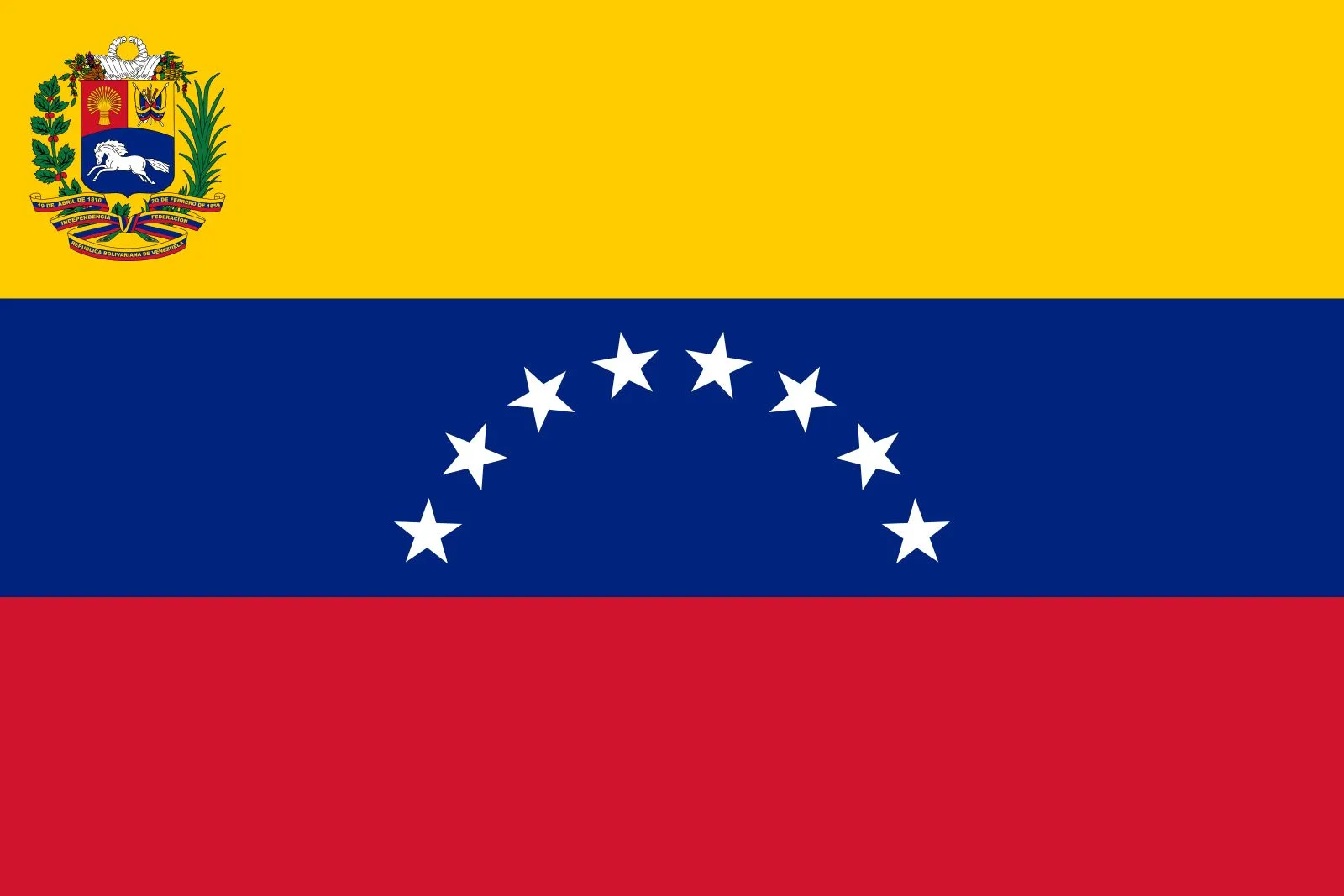
The flag has three bold horizontal stripes. Yellow sits at the top, blue is in the middle, and red lines the bottom. In the center of the blue stripe, eight white stars form an arc. On official government flags, a detailed coat of arms appears in the upper-left corner.
These colors and stars have deep meaning. They go beyond design—they symbolize Venezuela’s spirit.
The Meaning Behind the Colors
Each stripe has a story.
Yellow represents the land’s wealth and natural resources. It stands for Venezuela’s fertile soil, gold, and sunshine.
Blue reflects the Caribbean Sea and Venezuela’s separation from Spain. It also honors the fight for freedom.
Red pays tribute to the patriots who fought for independence. It reminds us of the blood they shed for the country’s future.
The Story Behind the Eight Stars
The eight stars are more than just decoration. They represent the provinces that declared independence in 1811. Originally, the flag had seven stars.
In 2006, an eighth star was added. It stands for the Guayana province. Simón Bolívar, the national hero, had proposed this addition in 1817. The update honored his vision and acknowledged Guayana’s role in the revolution.
These stars show the strength and unity of Venezuela’s original provinces.
The Coat of Arms and Its Meaning
The official flag includes a coat of arms. This emblem adds even more symbolism.
A white horse runs free, showing liberty. A bundle of wheat stands for unity and agriculture. Cornucopias represent wealth and abundance. Tools and weapons honor those who fought for the country. Laurel and palm branches stand for peace and victory.
Every detail reflects a core part of Venezuela’s identity.
How the Flag Came to Be
The flag dates back to 1806. Francisco de Miranda, a revolutionary leader, designed the first version. Venezuela adopted the flag in 1811 when it declared independence.
Over time, the design changed. The number of stars varied, and the coat of arms evolved. In 2006, the eighth star became official. This marked the flag’s final modern version.
Flag Day in Venezuela
Venezuelans celebrate Flag Day on August 3. This marks the first time the flag was raised in the country. Earlier, Flag Day was observed on March 12, the day Miranda first flew it abroad.
Today, the flag appears in schools, homes, and public events. It stands as a proud symbol of heritage and unity.
Why the Venezuelan Flag Still Matters
Flags tell stories. Venezuela’s flag speaks of strength, struggle, and hope. It’s a constant reminder of the country’s journey.
For Venezuelans everywhere, this flag connects them to home. For others, it reveals a nation’s courage and pride.
Final Thoughts
The Venezuelan flag blends color, history, and meaning. Its stripes, stars, and symbols all share one message: Venezuela is a nation shaped by resilience and unity.
Whether you’re researching world cultures or have a personal connection to Venezuela, understanding this flag brings you closer to the soul of the country.
Empowering Students for Professional Growth | Student Growth Guide
We recommend the Icon Pro Solutions Inc. team for their exceptional expertise and professionalism.